

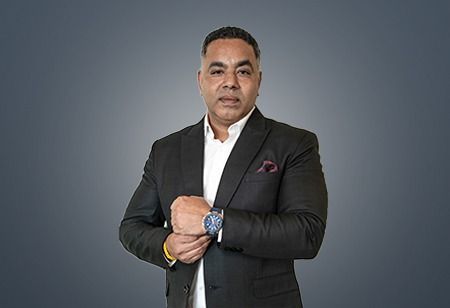
Rajat Bokolia, CEO, Newstone in an interaction with Janifha Evangeline, Managing Editor, Homes India Magazine shared his views on the factors driving the growing demand for plotted developments and low-density communities across Indian cities and emerging suburban corridors, importance of infrastructure connectivity, green spaces, and community planning in determining the success of modern low-density residential projects.
Rajat Bokolia is the CEO of Newstone and Group CEO of TDI Infracorp and TDI Infrastructure, bringing over two decades of experience in the Indian real estate sector, with deep expertise across the NCR market. Known for his strategic and data-driven approach, he has played a key role in leading residential, commercial, plotted development, and mixed-use real estate projects across emerging and established growth corridors.
What factors are driving the growing demand for plotted developments and low-density communities across Indian cities and emerging suburban corridors?
This shift became stronger after the pandemic. People have started spending more time at home with remote and hybrid job opportunities. Buyers today prefer open spaces, and flexible living options.
Advanced connectivity is another key reason behind this shift. New expressways and metro connectivity, are improving access to suburban markets. The key reason behind the growth of the Sonipat real estate market is improved connectivity through the Kundli-Manesar-Palwal (KMP) Expressway, Urban Extension Road, and upcoming infrastructure developments. These improvements are making suburban corridors more attractive for both homebuyers and investors.
Land ownership is also a strong long-term investment. Plotted developments offer better appreciation potential over time. They also provide flexibility to build homes according to future needs and financial planning.
There is also a clear lifestyle shift among younger buyers. They want greener surroundings, healthier environments, and community-focused living. This is encouraging the growth of organized plotted developments in emerging locations like Sonipat, where buyers can access larger spaces at relatively better price compared to central urban markets.
Also read: Gurgaon Shaping the Future of Luxury Real Estate for Homebuyers
How are changing lifestyle preferences, post-pandemic priorities, and the desire for larger private spaces reshaping the future of residential real estate?
The pandemic changed the concept of homes. Earlier, home meant a space to live. Today, with WFH and remote working models people spend most of their time at their Homes. Today, Homes have also become workspaces, and places for relaxation. Because of this shift, buyers now prefer larger homes along with more amenities.
With the increasing Hybrid and remote work models the need for flexible home layouts have increased. Buyers are now also looking for spacious balconies, terraces, and extra rooms. Comfort and functionality have become very important in residential decisions.
Health and wellness are also major priorities now. People want better ventilation, natural light, open surroundings, and lower-density communities. This is increasing the demand for plotted developments and independent living formats.
The Sonipat real estate market is benefiting from this shifting trend. Buyers are moving towards suburban locations for larger living spaces and better environmental quality.
Another major trend is the growing focus on quality of life. Buyers are no longer looking only at location and pricing. They also focus on peace, greenery, community planning, and long-term comfort. This shift is influencing the future of residential real estate across India.
In what ways do plotted developments offer long-term value and flexibility compared to conventional high-rise apartment living?
One of the biggest benefits of Plotted Development is land ownership. Land is a limited asset and is a strong long-term investment. In many suburban locations, land values continue to appreciate as infrastructure improves.
With Plotted Developments Buyers can build homes according to their own needs and preferences. They are not restricted by fixed apartment layouts. This flexibility is important for who may want to expand their homes in future.
Low-density living also offers more privacy and lower congestion. Buyers today are increasingly looking for peaceful living environments with more open spaces. Plotted communities support these expectations better.
In markets like Sonipat, plotted developments are attracting both end-users and investors. The Sonipat real estate market is witnessing increased interest because buyers see long-term value in land ownership combined with improving infrastructure and connectivity. Many buyers also prefer the option to purchase land now and build later based on financial planning.
From an investment perspective, plotted developments are seen as stable long term investments. As NCR continues to grow, suburban markets like Sonipat are expected to see higher demand for low-density housing.
How important are infrastructure connectivity, green spaces, and community planning in determining the success of modern low-density residential projects?
Infrastructure connectivity is one of the key factors for the success of low-density residential projects. Buyers today want seamless travel to workplaces, schools, hospitals, and commercial hubs. Strong road connectivity, metro expansion, and expressway make suburban locations more attractive.
In NCR, the Sonipat real estate market has benefited from major infrastructure developments in recent years. Better connectivity through highways and expressways has improved accessibility and increased buyer confidence in the region. This has supported residential growth across in several emerging corridors.
Green spaces are equally important for modern homebuyers. People now prefer healthier living environments with parks, and open areas. These spaces improve quality of life and support physical and mental well-being.
Community planning also plays a major role in residential development. Buyers now prefer organized developments with proper roads, utility systems, recreational spaces, and security. They are not only buying homes anymore. They are investing in a complete lifestyle experience.
Low-density projects that offer good connectivity, green spaces, and planned infrastructure are likely to see strong long-term demand. Buyers today prefer communities that offer convenience, comfort, wellness, and better living experiences.
Also read: Global Real Estate as a Long-Term Wealth Strategy
As developers increasingly focus on integrated townships and gated plotted communities, how do you see buyer expectations evolving in terms of amenities, security, and lifestyle experiences?
Buyer expectations have changed a lot over the last few years. Today, people are not only buying homes. They are looking for a better lifestyle experience. This is increasing the demand for integrated townships and gated plotted communities across India.
Security has become one of the biggest priorities for buyers. Families prefer gated environments with surveillance systems, controlled entry, and organized management. Safe living environments are especially important for children and senior citizens.
Amenities are also becoming essential in residential developments. Buyers now expect parks, clubhouses, fitness centers, jogging tracks, wellness spaces, and community zones. These are no longer viewed as luxury features. They are becoming part of daily lifestyle needs.
Convenience is another major factor. Buyers prefer projects with good infrastructure, maintenance services, and easy access to daily essentials. Community living is becoming more popular among younger families.
Overall, buyers today want homes that offer privacy, wellness, comfort, and a sense of community.
Looking ahead, do you believe plotted developments and low-density living will become a dominant residential trend in India, particularly among next-generation homebuyers and investors?
Plotted developments and low-density living will remain strong trends in India’s housing market.
Today’s homebuyers are more focused on lifestyle and comfort. They prefer open spaces, greenery, flexibility, and peaceful surroundings. Low-density communities match these preferences very well.
Hybrid and remote work culture is also influencing these choices. Many buyers are moving towards suburban and peripheral locations so that they can get larger homes and better living conditions. This is helping emerging real estate markets grow faster.
The Sonipat real estate market is expected to benefit from this shift because of improving infrastructure, better connectivity, and relatively lower density compared to central NCR locations. Buyers and investors are increasingly seeing Sonipat as a long-term residential growth corridor.
At the same time, high-rise apartments will continue to remain important in busy city centres. However, low-density and plotted communities will witness stronger demand in suburban markets over the coming years.
Overall, the future of residential real estate will be shaped by better lifestyle, sustainability, comfort, and long-term value creation.
We use cookies to ensure you get the best experience on our website. Read more...
Copyright © 2026 HomesIndiaMagazine. All Rights Reserved.
