

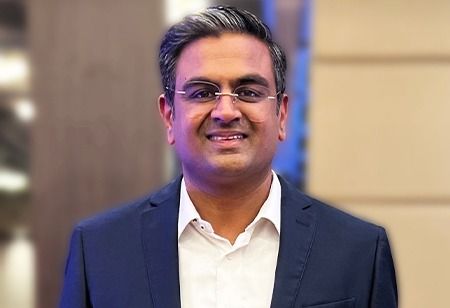
In an exclusive interaction with Adlin Pertishya Jebaraj, Correspondent at Homes India, Sathish C G, Deputy Managing Director – Casagrand, shares how Hyderabad’s residential real estate sector as notably balanced compared to other major Indian cities, supported by consistent end-user demand alongside regulated supply levels. He highlights a distinct trend among buyers favoring larger residences that emphasize lifestyle elements such as spaciousness, wellness, and community-oriented environments.
Sathish C G is a seasoned real estate professional with over two decades of experience spanning sales, marketing, and strategic business leadership. His leadership in expanding high-growth areas such as Bengaluru has involved driving substantial business transformation and improving operational capabilities.
How would you assess the current demand-supply dynamics in Hyderabad’s residential real estate market?
Hyderabad’s residential sector currently demonstrates a notably balanced relationship between demand and supply when compared to other major Indian cities. This equilibrium is attributable to controlled property launches combined with consistent absorption by end-users.
In 2025, the city witnessed approximately 38,400 housing transactions, with supply levels carefully aligned across key micro-markets, especially in the western and northern corridors. Such calibrated supply has contributed to Hyderabad maintaining a relatively healthy inventory status among the top residential markets in India.
The city’s infrastructure continues to serve as a primary catalyst for growth. Developments such as the expansion of the Hyderabad Outer Ring Road, enhancement of metro connectivity, the emergence of airport-linked corridors, and the expansion of IT districts have collectively broadened residential demand beyond the traditional core areas.
Established locations like Gachibowli, the Financial District, and Kondapur remain dominant in premium segment absorption, largely due to the concentration of employment opportunities and well-developed infrastructure.
Simultaneously, emerging corridors including Kompally, Medchal, and Miyapur are attracting attention from mid-segment buyers and those looking to upgrade. Significantly, demand is predominantly fueled by end-users, supported by Hyderabad’s strong presence in IT, ITeS, and the Gulf Cooperation Council (GCC) business ecosystems, which imparts stability to the market and limits reliance on speculative investments.
Also Read: Global Real Estate as a Long-Term Wealth Strategy
What changes are you observing in buyer preferences post-pandemic, particularly in terms of space, amenities, and location?
Following the pandemic, the home buying trend in Hyderabad has shifted notably from affordability-driven choices toward lifestyle-oriented ownership. The strongest demand currently centers on larger 3 and 4 BHK homes, with 3-BHK units representing over half of the active buyer interest. This shift underscores a growing preference for flexible living spaces that accommodate work-from-home arrangements, wellness activities, and family needs.
In addition, buyers appear to place higher importance on low-density environments. This has led to increased interest in villa communities and gated developments, where privacy, open areas, and community amenities are regarded as valuable long-term features rather than optional luxuries. The steady momentum in premium housing further reinforces this trend, suggesting increased buyer confidence in higher-value acquisitions.
Moreover, preferences for location have expanded beyond traditional core areas such as Gachibowli and the Financial District. Buyers are increasingly exploring emerging corridors that offer larger land parcels, improved urban planning, and greater potential for future appreciation, aligning with a more extended ownership perspective.
Also Read: NCR Realty Outlook: Trends, Luxury Demand and Growth Vision
How are developers balancing affordability with premium amenities in new projects?
In Hyderabad, developers are addressing the challenge of balancing affordability with premium living by adopting smarter planning strategies rather than simply reducing costs. With land and construction expenses rising in key areas, the emphasis has shifted toward enhancing design efficiency. This includes optimizing carpet area utilization, minimizing space lost to circulation, and creating more functional layouts without significantly increasing the overall price.
Delivering premium value now relies more on shared amenities than on expensive upgrades within individual units. Investments are being directed toward well-developed clubhouses, landscaped open spaces, wellness facilities, and integrated recreational options. Additionally, phased township development is gaining traction as it enables better cost efficiency through scale and allows amenities to be strategically distributed across larger communities.
For buyers today, the concept of premium living extends beyond interior features. It increasingly encompasses the quality of planning and the long-term experience offered by the entire residential environment.
What is your outlook for Hyderabad’s residential market over the next few years?
Hyderabad is projected to maintain its position as one of India’s most structurally stable residential markets, driven primarily by employment growth, ongoing infrastructure development, and comparatively better affordability than other metropolitan areas.
The city’s IT sector and GCC-related industries continue to support consistent demand from end users, while government investments in connectivity are gradually expanding the residential areas. Although premium neighborhoods in the western corridors are expected to sustain their pricing strength, emerging micro-markets and northern growth regions are anticipated to accommodate a larger portion of future housing supply.
Price increases are likely to be positive but selective, favoring areas with strong infrastructure, supportive social environments, and reputable developers. The forthcoming growth phase is also expected to emphasize premium housing, with market leadership increasingly determined by the quality of urban planning, distinct product offerings, and considerations of long-term livability.
We use cookies to ensure you get the best experience on our website. Read more...
Copyright © 2026 HomesIndiaMagazine. All Rights Reserved.
