

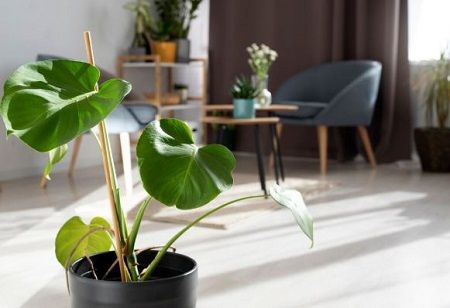
Miranda House is evaluating a nature-based, indoor air purification concept that takes cues from the NASA Clean Air Study. The institution is currently developing a plant-based prototype that is intended to serve as a more cost-effective alternative to traditional air purifiers used in indoor settings.
The original NASA study indicated that certain indoor plants, such as snake plant, areca palm, money plant, and spider plant were able to absorb pollutants including benzene, formaldehyde, and carbon monoxide when evaluated under controlled experimental conditions.
Key Highlights
Building on this premise, the college has initiated “Mirakle,” a research program led by Principal Bijayalaxmi Nanda, with support from the chemistry department as well as the botany department.
The project is centered on converting theoretical findings into practical, real-world applications that are adapted to Indian conditions. Researchers are developing “plant clusters,” meaning intentionally selected combinations of indoor plants, with the aim of tailoring these groupings to different indoor environments based on the specific pollution levels present.
Nearly 18 parameters are being reviewed to shape solutions tailored to specific environments, taking into account variables such as room size, occupancy levels, site conditions, and the types of pollutants involved.
Also Read: CaratLane Founder Buys Rs 36.5 Cr Property in Chennai
At this early stage, the study is placing selected plant groupings in multiple locations across the campus and tracking air-quality readings on a scheduled basis, with measurements also taken during periods of highest space utilization. A group of undergraduate students is engaged in supporting plant selection, mapping the relevant data, and carrying out analytical work.
If the approach proves viable, it could be expanded for use in residential settings, workplaces, and schools, positioning it as a more affordable and sustainable option while also improving indoor visual appeal and supporting better environmental conditions.
We use cookies to ensure you get the best experience on our website. Read more...
Copyright © 2026 HomesIndiaMagazine. All Rights Reserved.
