

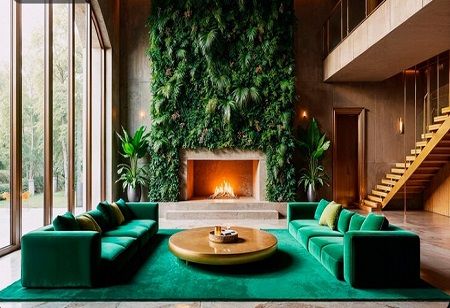
Interior design in India has progressed beyond creating just aesthetically beautiful homes. By as early as 2026, people want interiors which are not only comfortable but also functional and environmentally sustainable. This trend is evident in urban interiors that are being influenced by limited space, changes in families, hybrid work, and increased environmental consciousness.
As far as present-day coverage on Indian interior designs goes, there is an indication that Indians will be moving from cool and impersonal rooms to warm colors, natural material use, handmade pieces, flexibility, and spaces focused on health and wellness.
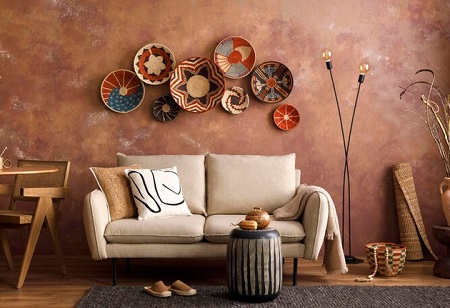 One of the more unique aspects of Indian interior designs is the revival of handmade items and regional craftsmanship. Textiles woven by hand, wood carving, terracotta items, ceramics made by hand, metal working done the traditional way, block prints and local decorative elements are all being used in today’s interiors.
Also read: Defining Luxury: Interior Design Trends for High-End Homes
Instead of trying to recreate the traditional interiors completely, the craft items are introduced into modern interiors as separate elements. One could use a hand-woven rug in an otherwise minimalist interior and wood carving in a modern interior, where they would be integrated into the architecture of the interior.
With this, the homeowners are able to create a sense of culture and national identity without looking out of date in their homes. In addition to this, there is the feeling of authenticity created, which is usually absent in mass produced decor. As consumers become more concerned with meaningful rather than just accessory items, craftsmanship becomes the language of the design.
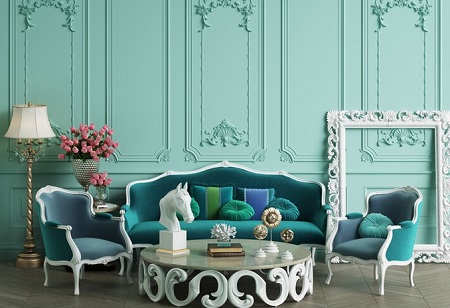 Whereas minimalism still plays an important role in Indian households, maximalism is making its way back but in a much tamed version. Maximalism in design is not necessarily about cluttering everything that comes into mind but rather bringing together colors, textures, artwork, patterns and objects to craft an individual story.
Modern interior predictions claim that there will be an increasing trend of designing more expressive interiors which would not follow the perfect showroom look but will have a greater emphasis on individuality. It is natural that such an approach is applicable in India since its houses are usually a fusion of various cultural influences, textiles, artworks and inherited furniture.
Thus, a modern flat may include modern sofa and vintage cabinet, Indian textiles, contemporary artwork and handmade ceramics. The thing is about good curation. Each element should be involved in the general visual story. This trend seems especially important for young homeowners since they wish their home interiors to be expressive in the first place.
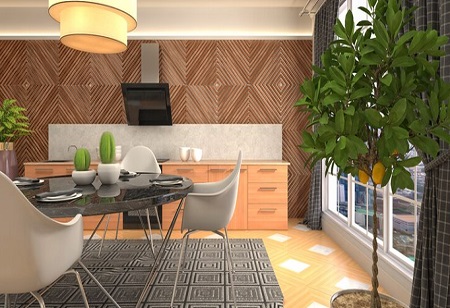 The concept that each room should have one single function is gradually becoming less relevant, especially within city-based Indian households. Multifunctional spaces have come to be seen as a necessity due to the need for small rooms and changing lifestyles.
The living room could be used as a working space, the guest bedroom can include a place for studying and balconies can become places to read and work on. Designers use sliding walls, modular furniture, foldable desks, movable storage systems and lighting which will enable the room to be adapted depending on the needs of the occupant. This solution works very well in case of apartment flats where each square meter matters.
It is worth mentioning, though, that multifunctional spaces don’t mean that there will be no aesthetically pleasing elements in the design. Well-done storage can hide all work-related equipment when it isn’t needed, while flexible furniture will change the look of the room without causing any chaos.
We use cookies to ensure you get the best experience on our website. Read more...
Copyright © 2026 HomesIndiaMagazine. All Rights Reserved.
