

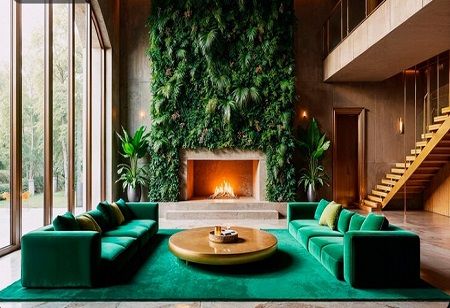
Interior design in India has progressed beyond creating just aesthetically beautiful homes. By as early as 2026, people want interiors which are not only comfortable but also functional and environmentally sustainable. This trend is evident in urban interiors that are being influenced by limited space, changes in families, hybrid work, and increased environmental consciousness.
As far as present-day coverage on Indian interior designs goes, there is an indication that Indians will be moving from cool and impersonal rooms to warm colors, natural material use, handmade pieces, flexibility, and spaces focused on health and wellness.
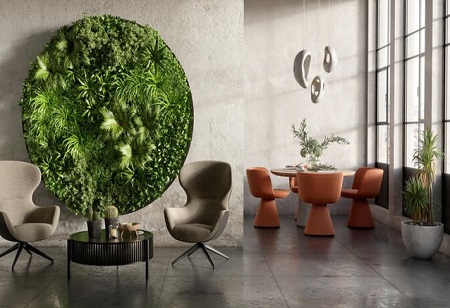 This design technique of bringing nature indoors is transcending its boundaries from just placing pots of plants inside the houses. Increasingly, Indians are designing their houses around natural light, air, natural textures like indoor plants, natural stones, woods, clays and nature-like colors.
These aspects may help refresh people living amidst concrete jungles for most of the day. Big windows, balconies combined with living spaces, indoor courtyards, vertical gardens and natural texture walls may be considered towards achieving this aspect.
The climate too may make this design idea very useful in India. With cross-ventilation, daylight and passive cooling, dependence on artificial systems may be reduced. This thus makes this idea an aesthetic and environment-responsive one. Nature, instead of being seen as decoration, is becoming an integral part of interior design.
 Sustainability is not a trend anymore but an integral part of interior design. Clients are becoming more interested in reclaimed woods, bamboo, cork, natural stones, recycled items, low-VOC paints and handcrafted items. In addition, sustainability promotes knowledge about the source of materials used and the durability of furniture and finishes.
In India, sustainability finds its place organically due to traditional materials including cane, bamboo, terracotta, jute, stones and hand-woven fabrics. Today designers try to integrate these traditional materials with contemporary furniture pieces creating spaces which look modern while staying typical to the region.
Another important aspect of sustainability is restoration of furniture and vintage items since they reduce the need for disposables while bringing personality into the room. Thus, this trend is also connected to the rejection of trendy and temporary interiors in favor of durable and timeless ones.
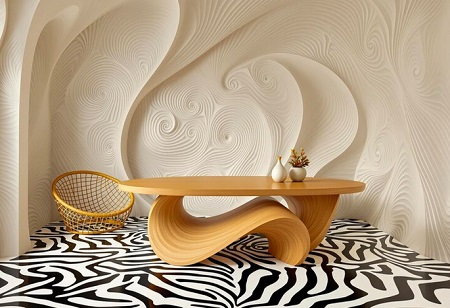 With time, straight edges and geometric design is becoming softer thanks to curves seen on sofas, coffee tables, arched entrances, round mirrors, and furniture. Curved walls are another design trend that can be seen in luxury designs due to the way it softens the transitions from one room to another and alters how one sees rooms.
Organic forms in Indian homes can be used in small apartments to give them a softer feel, making them more relaxing. Curves go well with natural materials like wood, stone, lime plaster, and fabrics.
The idea here is to use curves sparingly as design focal points rather than having rounded forms everywhere in the home. A curved sofa can be used in a formal living room while an arched entrance can be used to link two rooms together. This is one of the trends showing how people are shifting to designing interior spaces that are not too rigid but comfortable and humane.
We use cookies to ensure you get the best experience on our website. Read more...
Copyright © 2026 HomesIndiaMagazine. All Rights Reserved.
