

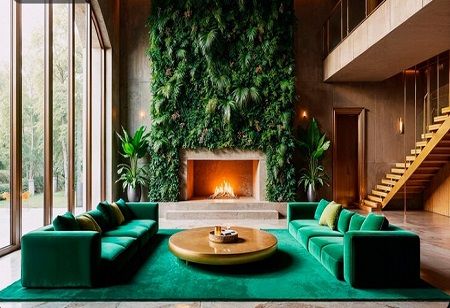
Interior design in India has progressed beyond creating just aesthetically beautiful homes. By as early as 2026, people want interiors which are not only comfortable but also functional and environmentally sustainable. This trend is evident in urban interiors that are being influenced by limited space, changes in families, hybrid work, and increased environmental consciousness.
As far as present-day coverage on Indian interior designs goes, there is an indication that Indians will be moving from cool and impersonal rooms to warm colors, natural material use, handmade pieces, flexibility, and spaces focused on health and wellness.
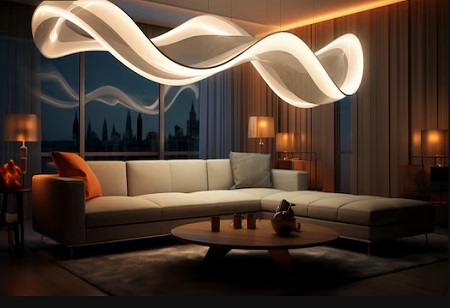 There is now increased sophistication in lighting systems used in the interiors of residential buildings. The old method of using only one centralized ceiling light is now passé. There can be various lighting options such as ambient, task lighting, and accent lighting.
Each of these different forms of lighting can be accomplished through different types of light fixtures like pendant lighting, wall sconces, floor lamps, table lamps, recessed lights, and even LED strip lights that can be installed in any way possible. Layered lighting is especially useful in Indian homes since one room can be used for several activities.
For example, the living room may need bright lighting in the daytime when it is time to do some work or cleaning, but in the evenings, there may be a need for some soft lighting during the discussions. This also makes good use of the artistic aspect of lighting in highlighting some architectural elements or artwork.
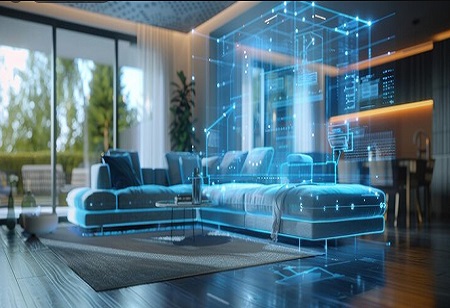 Increasingly technology plays a key part in the design of interiors, although the focus is now more on its discreet installation. Rather than wiring and large technological elements in full view, there are now increasingly smart systems being installed into the fabric of the interior itself.
Among the current trends in design, the integration of lighting systems, automated curtains, heating and cooling, concealed audio systems and app-controlled ambience are all being considered examples of this new trend. Smart technology can make a home easier to live in and at the same time keep it simple visually. Lighting can automatically change depending on the time of day and activities.
At the same time, smart kitchen appliances and home security systems can make life easier for people. Yet increasing fascination with warm, tactile and human-centred interiors also means that technology needs to enable rather than overwhelm interiors. Therefore, the best smart homes might be those where the technology becomes practically invisible. This is a crucial step away from the interiors designed around technology and towards technology-enabled interiors.
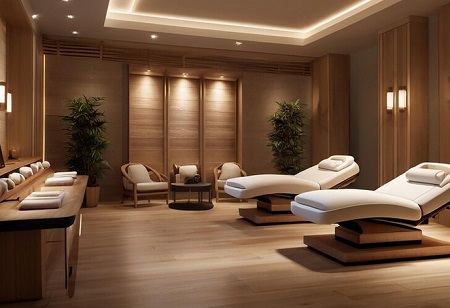 The last major trend is the increasing attention paid to the use of wellness principles in the design. Nowadays, houses are designed not only based on their appearance but with taking into account such factors as rest, concentration, relaxation and the general quality of life.
Meditation zones, reading zones, soundproof rooms, home gyms, acoustical improvements, ergonomic furniture and increased ventilation of the house are becoming more relevant for designing the residence. Wellness may also be provided by such measures as reduction of the visual mess, maximal amount of light in the house, using of comfortable furniture and separate areas without screens.
The importance of this trend is especially relevant because nowadays homes are used for work, studies and relaxation at the same time. Thus, the designers take into account what emotional states may be achieved in different zones. Well-lighted area will facilitate productive work while soft illuminated zone will facilitate relaxation. Natural elements also may provide for relaxing environment.
There is a lot that can be said about the main interior design trends in India in 2026, but one thing is certain - the coming years will witness a definite transition when it comes to the look of homes and the aspects considered most significant in this field. The future is expected to see warm, personal, sustainable, flexible and people-oriented homes.
Earthy colours will make way for sterile colouring schemes, and biophilic elements will bring the interior closer to the outside world. Sustainability will be introduced with the help of materials and craftsmanship characteristic of India, while curves, layered light and curated maximalism will give the rooms more character.
At the same time, multifunctional layout and discreet smart technology will help houses become more adaptable to the new lifestyle needs of the owners. One of the most important changes in the field is related to the fact that people will stop designing the interior with aesthetics only in mind. People will ask themselves whether their houses will provide comfort, self-expression and good quality of life.
We use cookies to ensure you get the best experience on our website. Read more...
Copyright © 2026 HomesIndiaMagazine. All Rights Reserved.
