


India’s residential real estate landscape is undergoing a structural transformation. For a long time, the sector was characterized by towering skyscrapers and apartment complexes. That paradigm is now changing owing to evolved buyer preferences and various urban constraints.
Premium buyers no longer define luxury in terms of mere amenities or exclusive address. Buyers now value spaces which can provide them with privacy, autonomy and functional utilities.
Moreover, according to JLL, the pandemic has also acted as a catalyst for influencing buyer preferences in favor of plotted developments. Post the pandemic, the concept of “personal space” and “privacy have paced up the momentum of plotted developments.
As of 2025, the trends show a substantial hike of 15% in plotted developments from the peak covid year of 2022 to 2023 when the market was healing and the market sentiments changed.
The growing traction of the plotted development format gets further anchored in conviction by the findings of PropEquity. According to PropEquity, 470,000 residential plots worth ₹2.44 trillion have been launched in the past three and half years by developers across 10 Tier-I and II cities. It signals that plotted developments have now emerged as a mainstream asset class within India’s residential real estate ecosystem.
The following advantages of plotted developments are contributing to their appeal significantly for end users and investors alike.
Unlike apartments where layouts, design and configurations are fixed and predetermined, plotted developments equip the buyers with the choice to customize the space according to their preferences. This entails freedom to decide spatial design, architectural style and material choice. This independence is a key differentiator which no other format can replicate.
One of the most lucrative advantages of the plotted development format is its potential for long term capital appreciation. Land as an asset, carries an intrinsic appreciation potential, which largely remains unaffected by market volatility. For investors and end users alike, plotted developments represent a long term wealth creation asset, whose value is driven fundamentally by the size of land.
The flexibility in construction is another unparalleled advantage offered by plotted developments. Buyers can buy the plot and then dictate the pace of construction as per their choice. The ability to “buy now and construct later” is a proposition which appeals to the buyers who wish to utilize plots as capital appreciation assets and want flexibility in construction.
Also Read: Hyderabad Residential Real Estate Market Outlook & Trends
Buyers are endowed with maintenance charges of the common spaces regardless of the use frequency when it comes to apartments. The charges may form a substantial share of the monthly expense of residents and may come off as irrelevant if all the amenities aren’t being used. However, in plotted developments, such the maintenance associated costs are restricted to the occupied land only. There is no additional maintenance cost and hence residents can exercise greater control over their monthly expenditure, paying only for what they own and choose to maintain.
The appeal of plotted developments is not restricted to end users. For developers also, plotted developments present the following compelling advantages.
Faster delivery, lower risk: The basic requisites for developing a plotted project is much lower when compared to mega projects such as apartments. This entails increased chances of adhering to delivery timeline and quicker finalizing of the projects. Unlike apartments, plotted developments are not contingent on floor by floor construction. This greatly reduces the timeline required for the completion of the project, thus equipping developers with increased confidence.
Easier to sell: Since plotted developments derive their value from landscapes, they offer the proposition of sustained long term value, majorly insulated from economic volatility. This makes them easier to sell for developers as well as end users.
Lower Investment: The investment in the construction process is quite low and limited to the extent of amenities the builder is providing. With plotted projects typically completed within 24 - 36 months, developers monetize land banks faster than high-rise projects that have relatively longer gestation periods.
Independent living however is not only restricted to design autonomy. The rising trend of integrated plotted townships has qualified “independent living” as a holistic lifestyle proposition.
Developers are now responding to the emergence of this trend by increasingly curating integrated plotted townships. These bring social amenities such as schools, healthcare facilities and recreational spaces alongside commercial conveniences like retail centers and workspaces, all within a single environment. This integrated approach eliminates the dependence on external urban infrastructure, offering residents a seamless, self-contained living experience that combines the independence of a plotted home with the conveniences of a fully serviced community.
Also Read: Rising Demand for Mid-Premium and Affordable Luxury Housing
Plotted developments represent more than a format; they represent a philosophy of living that is increasingly resonant with India's evolving buyer base. For developers, this shift demands a new set of capabilities: master planning expertise, thoughtful amenity curation and a long-term commitment to community building. For end users, it signals the arrival of a residential format that places individual autonomy, financial wisdom and lifestyle quality at its centre. As India's real estate market continues to mature, plotted developments are well positioned to define the next chapter of aspirational living, one that is independent, integrated and enduring.
About the Author:
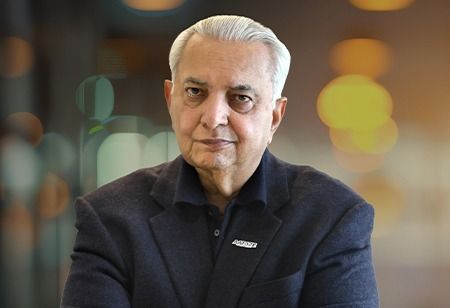
Vipin Sharma is the Chairman & Founder of Aarize Group, bringing over four decades of experience in India’s real estate sector. A first-generation entrepreneur, he played a pivotal role in developing landmark residential, commercial, retail, and mixed-use developments across Gurugram and NCR. Renowned for his strategic vision, market foresight, and customer-centric approach, he has been instrumental in shaping thriving urban communities.
We use cookies to ensure you get the best experience on our website. Read more...
Copyright © 2026 HomesIndiaMagazine. All Rights Reserved.
