

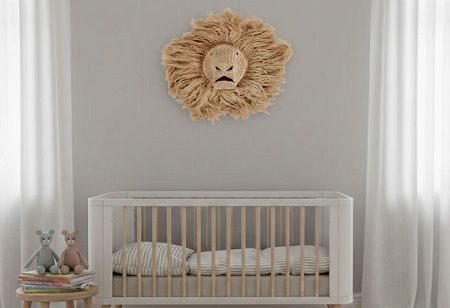
A new design language is quietly reshaping children’s spaces, moving away from overstimulation and excess toward calm, intentional environments that empower children to explore independently.
Rooted in Montessori philosophy and conscious parenting, today’s nurseries and playrooms are being reimagined as spaces that support autonomy, sensory growth and emotional comfort.
At the centre of this shift is CINTA, a handcrafted children’s décor brand that blends natural materials, thoughtful design and artisanal craftsmanship to create environments where children can truly thrive.
Key Highlights
Also Read: CINTA Kids Unveils Limited Edition Dollhouse
The Montessori approach emphasises independence from an early age, encouraging children to interact with their surroundings freely and confidently. This philosophy extends deeply into spatial design, where furniture is not just functional, but formative.
CINTA’s pieces are intentionally designed at a child-friendly scale, allowing children to access, use and engage with their environment without constant adult intervention. Thoughtfully designed pieces like the Havana Kids Bench and the cozy Hide ‘n’ Sleep Sofa create accessible seating that children can independently use, whether it’s for reading, resting or imaginative play.
Encouraging hands-on engagement, the CINTA Pocket Activity Table introduces a playful yet purposeful element into the space. With its smooth round rattan top and signature woven hammock-style pocket underneath, it allows children to keep their favourite books, toys and treasures within reach, supporting both independence and imaginative play.
Materiality plays an equally important role. In contrast to synthetic, plastic-heavy furniture, CINTA works with natural rattan, a renewable material known for its strength, flexibility and organic texture. Pieces like the gently curved Ellie Rocker introduce both comfort and movement into a child’s environment, supporting calm and sensory engagement through tactile interaction.
The brand’s design language also aligns with the growing preference for minimal, clutter-free interiors. Storage solutions such as Bobo the Bear Storage Basket and Moby Basket encourage children to participate in tidying up, fostering responsibility while keeping spaces visually light and organised. Complementing this is a beautifully crafted arched rattan wall shelf, designed to hold books, wooden toys and small keepsakes at an accessible height, encouraging children to choose, return and engage with objects independently.
Beyond functionality, CINTA’s pieces are designed to nurture imagination. Playful accents like the Flower Power Vanity Mirror allow children to engage creatively with their surroundings, while handcrafted wall décor including Ellie the Elephant, Leo the Handsome Lion, and Geoff the Giraffe turn rooms into storytelling landscapes, encouraging curiosity and emotional connection.
Each product is handcrafted by skilled artisans using traditional techniques, preserving craft heritage while adapting it for modern living. This connection to craftsmanship adds warmth and authenticity to children’s spaces, elements often missing in mass-produced décor.
At its core, CINTA is guided by a simple yet powerful idea: that children thrive not in perfectly styled rooms, but in spaces that feel safe, inspiring and responsive to their needs.
The name CINTA, meaning love, reflects this philosophy, love for children, families, artisans and the planet. Each piece becomes part of everyday rituals: a seat they can climb onto by themselves, a basket they can reach for, or a space that grows alongside them.
Also Read: CINTA's Enchanting Children's Collection: The Perfect Gift This Mother's Day
As conscious parenting continues to influence design choices, the rise of Montessori-inspired homes signals a broader shift, one where children’s spaces are no longer decorative afterthoughts, but carefully considered environments that shape how they learn, feel and grow.
We use cookies to ensure you get the best experience on our website. Read more...
Copyright © 2026 HomesIndiaMagazine. All Rights Reserved.
