

India, one of the world’s fastest-growing major economies with millions of consumers earning and spending more than before, continues to attract global retail brands. This confidence is visible in the sharp rise in retail leasing activity across the country’s key markets in 2025.
Leasing volumes increased by 54% during the year, touching a three-year peak. The surge shows that retailers remain optimistic about India’s consumption story despite global economic uncertainty. Interestingly, high streets emerged as the preferred destination for brands, accounting for 48% of total leasing activity.
Shopping malls followed closely with a 45% share. The near-equal split reflects a clear shift in India’s retail landscape. Traditional commercial streets are witnessing renewed demand even as organised mall retail continues to expand.
Rather than competing directly, both formats are growing side by side. Each is responding in its own way to changing consumer behaviour and the steady expansion of India’s retail market.
As India’s retail sector moves into a more stable phase after the strong rebound seen after the pandemic, shoppers are increasingly looking for more than just transactions. Many consumers now prefer spaces where they can spend time, dine and socialise along with shopping. Retail spaces therefore need to offer experiences along with products. Both malls and high streets are adapting to these expectations.
Why are high streets back in focus?
To understand the renewed popularity of high-street retail, it helps to look at how India’s shopping culture has evolved over the past three decades.
In the 1990s, when economic liberalisation was gathering pace, shopping in most Indian cities revolved around well-known markets and commercial streets. These busy retail areas offered everything from clothing and electronics to restaurants and small entertainment spots.
The arrival of malls changed the shopping experience dramatically. When organised malls began appearing in Indian cities in the late 1990s and early 2000s, they quickly became popular. They offered something new: air-conditioned spaces, multiple brands under one roof, proper parking, entertainment zones and food courts.
For many urban families, malls were not just places to shop but also places to spend time together. They were one-stop destinations offering food, entertainment and shopping in a comfortable indoor setting. The indoor environment also felt cleaner and more organised than crowded traditional markets, with better air quality inside, even though air pollution had not yet become a major public concern.
For many Indians, this was a new and attractive experience.
Over the next two decades, the mall format expanded rapidly across the country. What began in large metropolitan cities soon spread to Tier-2 and Tier-3 markets. For many residents in these cities, malls became the main destination for shopping, dining and entertainment.
As organised retail brands expanded their presence in India, malls provided them with a structured environment to showcase their products and offer a standardised shopping experience.
Also Read: India Housing Boom: Residential Real Estate Leads Growth
During this period, many well-known high-street markets faced a decline in footfall. Popular retail districts such as Khan Market and Connaught Place in Delhi, Linking Road in Mumbai, Park Street in Kolkata and Indiranagar 100 Feet Road in Bengaluru struggled to compete with the convenience and comfort that malls offered.
With consumer footfall shifting towards indoor retail spaces, these traditional shopping streets had little choice but to reinvent themselves.
Over time, high streets began adapting to the new retail environment. Instead of trying to copy malls, they focused on strengthening what made them unique. Better connectivity, improved streetscapes and a strong mix of restaurants, cafés and boutique stores helped these areas regain their appeal.
In their modern form, high streets now offer something malls often cannot replicate: a lively outdoor atmosphere and a strong connection with the surrounding city. Shoppers can walk between stores, discover new cafés and restaurants, and enjoy the energy of an open retail district.
For many brands, high streets also provide greater visibility and stronger street presence, especially for flagship outlets.
The strong leasing share recorded by high streets in 2025 shows how much they have evolved. From struggling to compete with malls, they have repositioned themselves as vibrant lifestyle destinations.
Malls vs high streets: Outlook for 2026
India’s retail market continues to offer strong opportunities for both malls and high streets. According to Kearney Research, the country’s retail sector is estimated at around INR 95 lakh crore and is growing at roughly 9% each year. In value terms, the market has expanded from about $779 billion in 2019 and is expected to exceed $1.8 trillion by 2030.
This enormous growth potential ensures that both retail formats will continue to evolve. As consumer behaviour changes, developers and brands will need to adopt new strategies to attract and retain shoppers.
One important factor shaping the future of retail in India is the diversity of its consumer base.
The Indian consumer often presents a striking contrast. On the one hand, a large portion of the market remains highly value conscious. As Kearney Research notes, much of the demand still comes from consumers looking for affordable products and smaller purchases.
At the same time, wealth in the country is steadily rising. According to a report by McKinsey & Company, the number of ultra-rich individuals in India is expected to increase by 50% by 2028. This growing affluent group is likely to drive demand for premium brands, luxury retail and specialised shopping experiences.
Demographic changes are also reshaping buying behaviour. Young consumers from Gen Z, who are comfortable with digital technology, are entering the workforce and influencing shopping choices.
Also Read: Micro-City Living: The Rise of Self-Sufficient Residential Districts
At the same time, the 45-plus age group remains an important segment with strong purchasing power. Another key shift is the growing participation of women in the workforce. As more women earn independently, household spending patterns are also evolving. Their choices are shaping demand across several retail categories. Demand from all these groups is expected to keep India’s consumption growth strong in the coming years.
Retail spaces, whether malls, high streets or online platforms, will all need to respond to these changes. In the end, the future of India’s retail sector may not lie in choosing between malls and high streets. Instead, it will depend on how both formats continue to adapt to the needs of a diverse and rapidly changing consumer market. As India’s retail industry moves towards the $1.8 trillion mark by 2030, the coexistence of malls and high streets could well become one of the sector’s biggest strengths.
About the Author:
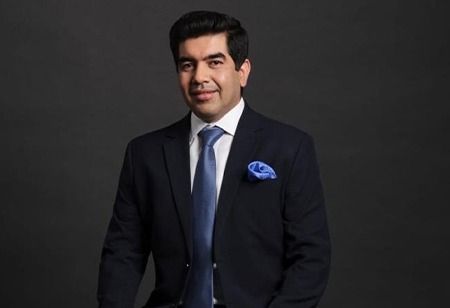
Shriram PM Monga, Co-founder at SRED, has more than 20 years of experience in the Indian commercial and retail real estate market. He is respected as a master of strategic mall leasing, F&B planning and mixed-use developments, using data-driven intelligence and robust brand relationships to improve asset performance.
We use cookies to ensure you get the best experience on our website. Read more...
Copyright © 2026 HomesIndiaMagazine. All Rights Reserved.
