

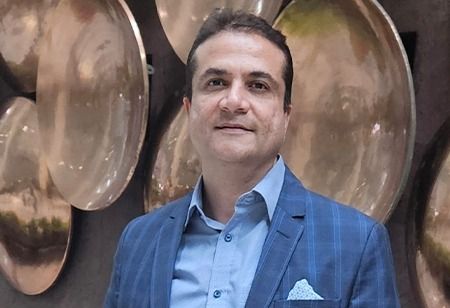
Umang Badjatya, CEO of Kumar Corp. in an interaction with Janifha Evangeline X, Managing Editor, Homes India Magazine shared his views on why modern homebuyers are prioritizing experiences and lifestyle benefits over square footage and traditional amenities, how is the growing demand for experience-driven living reshaping residential design and community planning, why younger homebuyers are willing to pay a premium for homes that enhance their quality of life and everyday experiences.
Umang Badjatya, CEO of Kumar Corp. brings over two decades of experience in the real estate industry, with deep expertise in driving strategic growth and shaping premium residential developments.
Under his leadership, Kumar Corp has successfully delivered thoughtfully planned residential projects focused on quality, innovation, and evolving lifestyle aspirations.
Why are modern homebuyers prioritizing experiences and lifestyle benefits over square footage and traditional amenities?
The modern homebuyers are increasingly prioritizing experiences, convenience, and lifestyle benefits over traditional amenities. Today’s consumers view homes not just as financial assets or status symbols, but as spaces that support everyday comfort, wellness, and emotional balance. With fast-paced urban lifestyles, demanding work schedules, and the rise of hybrid work culture, people are spending more time at home and expecting those spaces to enhance their quality of life.
We believe this shift reflects the changing mindset of modern buyers. With who now value functionality and meaningful living experiences more than unused space. Buyers are seeking thoughtfully designed homes that offer flexibility, wellness-focused environments, and integrated lifestyle conveniences that simplify daily routines. The features such as community spaces, green environments, leisure amenities, and adaptable layouts are becoming far more relevant than oversized homes with conventional amenities. Ultimately, modern homebuyers want homes that feel connected to their lifestyles and support a healthier with more balanced way of living.
How is the growing demand for experience-driven living reshaping residential design and community planning?
The growing demand for experience-driven living is significantly reshaping residential design and community planning across urban markets. Developers are focusing on designing integrated environments that support wellness, convenience, and meaningful social interaction. Modern residential planning is increasingly centered around creating holistic living experiences that blend work, leisure, and community engagement.
We believe homebuyers are expecting communities that enhance their everyday lives. This has led to the rise of adaptable indoor-outdoor layouts, wellness-centric amenities, pedestrian-friendly spaces, and thoughtfully planned social zones, which encourages interaction and fosters a stronger sense of belonging. As urban lifestyles become more digitally connected yet socially isolated, community-driven planning is becoming increasingly important.
Developers are also focusing on creating self-sustained ecosystems, where residents can access daily conveniences, wellness infrastructure, and recreational spaces within a connected environment. The emphasis has emerged toward building residential communities that promote emotional well-being, convenience, and long-term lifestyle value.
Also Read: Why more Indians are choosing Plotted Developments today
What role do wellness, social interaction, and convenience play in influencing homebuying decisions today?
The role of wellness, social interaction, and convenience has become major factors in modern homebuying decisions. Buyers are increasingly looking for homes that positively contribute to both physical and mental well-being. Importantly, features such as green spaces, natural ventilation, wellness amenities, fitness zones, and peaceful surroundings, which are no longer considered luxury additions but essential expectations within modern residential communities.
Simultaneously, meaningful social interaction has become equally important. As urban life becomes more fast-paced and digitally driven, many homebuyers are seeking communities that offer a stronger sense of belonging and connection with the shared social spaces, community engagement areas, and thoughtfully designed gathering zones. This helps to create balanced living experiences while still maintaining personal privacy.
Convenience is another critical factor shaping buyer preferences. Busy urban lifestyles have increased the demand for homes that simplify everyday routines and save time. Buyers are prioritizing developments that offer integrated conveniences, seamless connectivity, and efficient infrastructure. Modern homebuyers are ultimately seeking homes that combine comfort, convenience, and wellness with community living into one cohesive lifestyle experience.
Why are younger homebuyers willing to pay a premium for homes that enhance their quality of life and everyday experiences?
Younger homebuyers, especially on Millennials and Gen Z consumers, are increasingly willing to pay a premium for homes. That enhances their quality of life and everyday experiences because they view housing as an experience-led investment rather than simply a long-term asset. This generation prioritizes comfort, flexibility, wellness, and convenience over traditional ownership perceptions.
With changing work patterns, particularly the growth of hybrid and remote work, have further influenced this mindset. Younger buyers now spend more time at home and expect their living spaces to support productivity, relaxation, and emotional well-being simultaneously. They are more inclined toward homes that offer thoughtfully designed layouts, wellness-oriented amenities, and integrated lifestyle experiences.
We are seeing younger buyers are seeking homes that align with their personal aspirations and daily routines. Mainly with features such as smart technology, community-centric environments, collaborative spaces, and wellness-focused infrastructure strongly resonate with this audience. For younger buyers, a home is not only about ownership but about creating a balanced and fulfilling lifestyle that improves everyday living experiences.
How are developers reimagining residential projects to create immersive and community-centric living environments?
Developers are reimagining residential projects by moving beyond conventional housing models and creating immersive, community-centric living environments. The focus has shifted towards building integrated lifestyle ecosystems that combine wellness, sustainability, technology, and social engagement within a single residential experience.
We believe experiential living is shaping the future of urban housing. Modern developments are increasingly incorporating biophilic design elements, green landscapes, wellness-focused infrastructure, when thoughtfully designed shared spaces that encourage community interaction and a stronger sense of belonging. Residents are expecting homes that support not only their physical needs but also their emotional and social well-being.
Technology is also playing an important role in this transformation. Developers are integrating smart systems, energy-efficient solutions, and digitally connected conveniences that improve everyday comfort and functionality. In which, shared leisure spaces, co-working zones, recreational facilities, and social gathering areas are becoming essential components of modern residential communities. This shift reflects the growing expectation that residential projects should deliver holistic living experiences rather than providing physical living spaces.
What features are emerging as the strongest drivers of buyer demand in experience-focused housing developments?
The buyer's demand in experience-focused housing developments is increasingly being driven by features that enhance convenience, wellness, flexibility, and overall quality of life. Modern homebuyers are looking for residential communities that offer integrated lifestyle solutions and support holistic living experiences tailored to evolving urban lifestyles.
One of the strongest demand drivers today is AI-integrated smart home technology, that improves comfort, efficiency, and security through connected systems and automation. Buyers are also showing strong preference for wellness-oriented biophilic designs, which incorporates natural light, green spaces, improved air quality, and environmentally conscious planning that positively impacts mental and physical well-being.
Hybrid working spaces within residential communities have also become highly important, as professional and personal boundaries continue to merge. Flexible layouts and dedicated productivity spaces are increasingly influencing buying decisions. We are also witnessing growing demand for multi-functional community townships that offer resort-style living experiences. Integrated with leisure infrastructure, and thoughtfully curated social spaces. Buyers want homes that simplify daily life while creating enriching and engaging living environments.
How are hybrid work transforming expectations around comfort, flexibility, and functionality within modern homes?
Hybrid work has permanently transformed the role of modern homes, turning them from simple living spaces into adaptable, multi-functional environments that support both professional and personal lifestyles. As people continue to spend more time working from home, expectations around comfort, flexibility, and functionality have evolved significantly.
Modern homebuyers now prioritize spaces that can seamlessly adapt to different needs throughout the day. Dedicated work zones, ergonomic layouts, privacy, natural lighting, and technology-enabled infrastructure have become essential considerations in residential design. Buyers are no longer focused solely on larger homes but on intelligently designed spaces that improve productivity while maintaining comfort and emotional balance.
At Kumar Corp, we believe this shift is encouraging a more intentional and wellness-focused approach to home design. Flexible layouts, better ventilation, calming environments, and integrated technology are helping create homes that support healthier and more efficient lifestyles. The growing influence of hybrid work is ultimately reshaping buyer expectations toward homes that provide convenience, adaptability, and a stronger connection between work, wellness, and everyday living.
Are experience-driven living spaces becoming the new benchmark for residential value and long-term investment appeal?
Yes, experience-driven living spaces are increasingly becoming the new benchmark for residential value and long-term investment appeal. Today’s homebuyers are evaluating residential projects not only based on location or size. But also on how effectively the living environment enhances their overall lifestyle and well-being. This is particularly visible across rapidly growing urban markets and technology-driven cities like Bengaluru, Pune, Mumbai and other metro cities.
Modern buyers are moving away from purely speculative real estate investments and are prioritizing homes that offer holistic lifestyle experiences, developments that combine wellness, convenience, sustainability, social interaction, and smart technologies that are seeing stronger long-term demand because they align more closely with evolving consumer preferences.
We believe experiential living adds both emotional and practical value to residential investments in which communities that foster comfort, belonging, convenience, and quality of life are increasingly viewed as future-ready assets. As urban lifestyles continue to evolve, residential value is no longer defined only by ownership or square footage but by the consistency of the living experience a project delivers over the time.
Also Read: The Role of Rapid Transit in Urban Development in the NCR
How are technology, smart-home innovations, and shared amenities enhancing the resident experience in contemporary communities?
Technology, smart-home innovations, and shared amenities are significantly enhancing the resident experience in contemporary residential communities. Modern homebuyers increasingly expect seamless digital integration that improves comfort, convenience, security, and efficiency. The residential developments are also evolving into more connected and service-oriented environments.
Importantly, with IoT-enabled automation, smart security systems, unified property management applications, and energy-efficient technologies are helping simplify daily routines, while offering residents greater control over their homes. These innovations contribute to creating more efficient, secure, and stress-free living experiences.
The growing concept of “home-as-a-service” is reshaping modern residential expectations. Shared amenities such as co-working lounges, wellness centers, leisure zones, and community gathering spaces and flexible recreational areas are helping foster stronger social interaction and community engagement. With sustainable infrastructure, eco-conscious technologies, and digitally connected conveniences are also becoming essential features within future-ready developments. Together, these advancements are transforming residential communities into immersive lifestyle ecosystems designed around convenience, comfort, and meaningful resident experiences.
What does the shift toward experience-driven living reveal about the future of urban housing and consumer preferences?
The shift toward experience-driven living highlights a major transformation in modern urban housing and evolving consumer preferences. Today’s homebuyers are increasingly prioritizing wellness, flexibility, convenience, and quality of life over traditional measures such as large square footage or purely transactional ownership. Homes are now expected to function as integrated lifestyle ecosystems that support multiple aspects of daily living.
One of the strongest emerging trends is the demand for multi-functional living environments, where residents can seamlessly balance work, leisure, wellness, and social interaction within one connected ecosystem. Furthermore, driven by hybrid work culture and changing urban lifestyles, buyers are also showing strong preference for hyper-localized communities that offers easy access to essentials, green spaces, co-working infrastructure, and entertainment.
We believe wellness and sustainability will continue to define the future of residential development. Buyers are increasingly expecting eco-conscious infrastructure, wellness-oriented architecture, and community-centric planning that enhances both emotional well-being and social belonging. The future of urban housing is becoming more human-centric, experience-led, and deeply aligned with evolving lifestyle aspirations and modern living expectations.
We use cookies to ensure you get the best experience on our website. Read more...
Copyright © 2026 HomesIndiaMagazine. All Rights Reserved.
