

For years, Pinterest has been the world's biggest design inspiration board. It has inspired homeowners to discover new styles, dream bigger and imagine possibilities they may never have considered before. As an interior designer, I also see it as a valuable source of inspiration. It has opened up so many conversations around design and encouraged people to experiment with different concepts and ideas.
But, somewhere along the way, inspiration began to be mistaken for aspiration, and aspiration for expectation.
Today, many homeowners arrive at their first design meeting with carefully curated Pinterest boards. They know exactly how they want their kitchen, which bedroom aesthetic appeals to them, and which living room they want recreated. While this enthusiasm is exciting, it also presents one of the biggest challenges in contemporary interior design.
A Pinterest image captures a single perfect moment. A home, however, has to perform beautifully every single day. A beautifully styled room is not necessarily a beautifully lived-in room.
After nearly three decades of designing homes, I believe now we are witnessing an important shift. Increasingly, homeowners are gradually moving away from the pursuit of perfection and embracing something far more meaningful: personality.
When the architecture is the same, personality becomes the true differentiator. The homes that leave the deepest impression are rarely the ones that look the most perfect. They are the ones that feel the most personal.
The most memorable homes are the ones that tell stories.
When you think about the homes you have loved visiting over the years, chances are you don't remember the exact marble used in the kitchen or the shade of paint on the walls. You remember how the space made you feel.
Perhaps, it would have been a dining table that had hosted decades of family celebrations. An old bookshelf with novels collected over years of travel. An artwork bought from a local artisan during a memorable holiday, an antique swing inherited from grandparents, or a child's painting proudly displayed in the living room instead of being tucked away in a drawer.
These are the details that make a home unforgettable.
They carry memories, emotions, and stories that no catalogue or AI-generated image can recreate.
In today's world of algorithm-driven aesthetics, it has become surprisingly easy for homes to begin looking alike. Similar colour palettes, identical coffee table styling, matching lighting fixtures and the same trending decor pieces appear across thousands of homes online.
Yet the spaces that stay with us are the ones that feel authentic. A home should reveal the people who live in it, not simply the trends that inspired it.
These personal elements transform a beautifully designed house into a home with character. Even when two homes share the same floor plan, they should never feel identical because every family lives differently.
Design should celebrate those differences rather than erase them.
Also Read: Top 5 Modern Home Design Trends Today
That sense of personality doesn't happen by accident. It begins long before furniture, finishes, or color palettes are discussed.
It begins with understanding people.
Every design conversation should start by asking questions that have very little to do with design itself. It should start with simple questions like:
How does the family begin their mornings?
Do grandparents visit frequently or live together?
Does the dining table become a work desk during the day?
Are there children who need room to play, paint and create?
Does someone in the family enjoy cooking elaborate meals every weekend?
Are pets a part of the household?
These everyday routines influence a home far more than the latest trend forecast.
A family that entertains often will use space very differently from one that prefers quiet evenings together. A young couple working from home has different priorities than retirees looking for comfort and accessibility. Families with growing children need flexibility because their homes will continue evolving over-time.
Design that ignores behaviour and needs may look beautiful on day one, but quickly becomes inconvenient. Good design begins with understanding how people actually live. Only then can aesthetics truly support function instead of competing with it.
Luxury today is no longer defined only by expensive materials or statement furniture.
True luxury lies in ease.
A home should make everyday living feel effortless. This is where ergonomics quietly becomes one of the most important design principles. Storage should anticipate changing needs rather than merely hide clutter. Kitchens should minimize unnecessary movement by placing frequently used items within comfortable reach. Walkways should feel natural instead of cramped. Lighting should adapt to different moods and functions throughout the day. Furniture should feel just as comfortable as it looks.
Beautiful interiors that fail to support daily life quickly become frustrating.
We have all seen homes where an elegant dining chair becomes uncomfortable after twenty minutes, or where stunning pendant lights leave work surfaces poorly illuminated. These are examples of design prioritizing photographs over people.
The best-designed homes rarely draw attention to their functionality because everything simply works. Doors open naturally, storage is exactly where you need it, natural light is thoughtfully used throughout the day, and materials age beautifully with time.
Furniture isn't chosen only for how it looks, but for how it makes people feel; comfortable enough to sit, relax, and spend time together. These are the details that quietly improve everyday living, not just visually appealing, but effortless to live in.
One of the most encouraging changes I have noticed in recent years is that homeowners are becoming more comfortable preserving rather than replacing.
There was a time when designing a new home often meant starting from scratch.
Today, that mindset is changing.
More clients want to retain pieces that matter emotionally.
Whether it's a family heirloom, a cherished piece of furniture, vintage crockery, inherited artwork, or meaningful artefacts collected over the years, these elements bring something that newly purchased décor never can – which is authenticity.
These aren't simply decorative accessories. They carry history and remind families where they came from. They spark conversations and create continuity between generations.
Thoughtfully integrating these pieces into contemporary interiors creates homes that feel layered rather than styled.
There's also a sustainability story here.
Rather than replacing everything simply because trends have changed, homeowners are recognizing the value of preserving well-crafted pieces. Good furniture often outlasts trends, and with thoughtful restoration or reimagining, it can become one of the strongest design elements within a space.
The result is an interior that feels curated over time rather than assembled overnight. After all, perfection looks impressive. But personality is unforgettable.
Social media has undoubtedly raised design awareness. More people appreciate good lighting, thoughtful layouts, and material choices than ever before. But it has also created unrealistic expectations. Homes are increasingly expected to remain permanently pristine.
Every cushion perfectly aligned.
Every shelf carefully styled.
Every colour palette flawlessly coordinated.
Every corner made permanently camera-ready.
Real homes simply don't work that way. Homes are meant to evolve.
Cushions move.
Books accumulate.
Dining tables host birthday celebrations, school projects and family dinners.
Children leave behind drawings, toys and evidence of creativity.
Pets find favourite corners.
Plants grow.
Families grow too.
Life naturally leaves its mark on the spaces we inhabit.
That evolution isn't clutter. It's character.
Some of the most beautiful homes I have seen are not the ones that remain untouched, but the ones that clearly show they have been loved.
A home should never feel like a museum. It should invite people to relax, laugh, celebrate, and create memories without constantly worrying about preserving perfection. The most meaningful interiors embrace change because families themselves are constantly changing.
Also Read: Rethinking Indian Homes with Predictable Interior Models
As designers, our responsibility is not to recreate Pinterest images. It is to interpret the inspiration through the lens of each family's lifestyle, aspirations, and personality.
Pinterest can begin the conversation. It should never end it.
The real design journey lies in asking better questions, understanding everyday behavior; respecting emotional connections and creating spaces that improve daily life rather than simply photograph well.
In many ways, the homes we create become a reflection of the lives we aspire to live. They should accommodate change, celebrate milestones, adapt to new routines, and continue evolving alongside the families who inhabit them. Trends will inevitably come and go, but spaces designed around real people, real memories, and real experiences will always remain relevant.
When inspiration is filtered through individuality, something remarkable happens. The result is a home that feels refined without being intimidating - Elegant without feeling staged and functional without compromising beauty.
Most importantly, it should feel uniquely yours. The homes that endure are rarely the ones that perfectly followed every design trend of their time.
They are the homes that continue reflecting the people living within them, year after year, adapting gracefully as families and lifestyles evolve, because in the end, good design is never about creating the perfect photograph, but it is about creating the perfect life around it.
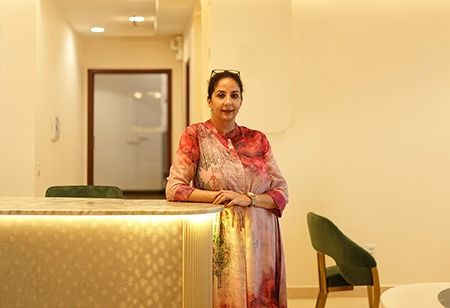
Amita Trehan is the Founder and Principal Designer of Bravura Design Solutions. With over 28 years of experience, she has delivered residential projects and select commercial projects across India, earning a reputation for thoughtful planning, material integrity, and timeless design that prioritizes real family living over passing trends.
Amita serves as the Chairperson of the L.I.F.E. (Ladies in Furniture Ecosystem) initiative by Häfele, where she advocates for the recognition and growth of women within the furniture manufacturing and design industry.
We use cookies to ensure you get the best experience on our website. Read more...
Copyright © 2026 HomesIndiaMagazine. All Rights Reserved.
