

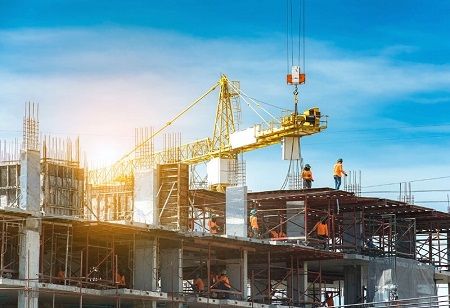
Construction costs in India are projected to rise by 3–5% in 2026 across all asset classes, primarily driven by increasing labour expenses and higher metal prices.
This follows a significant five-year trend where residential construction costs spiked by approximately 40% between 2019 and 2024.
While some raw materials like cement and steel saw slight price dips recently, these gains have been overshadowed by an 8–10% jump in metals like copper and aluminium, alongside spiked fuel and freight costs triggered by global geopolitical tensions.
The primary engine behind these rising costs is now labour. New labour codes, which mandate better social security and healthcare for workers, are expected to drive labour expenses up by 5–12% in 2026.
Umesh Gowda H.A, Chairman and Founder, Sanjeevini Group: “The ongoing West Asia conflict is beginning to reflect on India’s real estate sector through rising input costs. the need of the hour is to proactively seize opportunities for cost optimisation without having to increase price for end-users. The industry has navigated similar cycles in the past, and we remain focused on efficient planning and cost optimisation. While near-term challenges persist, underlying housing demand in India continues to remain resilient.”
This shift in human resource costs, combined with high-rise construction now costing roughly ₹50 more per square foot due to steel price surges, has forced developers to adjust their pricing models significantly.
Ankur Jalan, CEO, Golden Growth Fund (GGF): “Construction cost pressures are becoming more pronounced, with material prices showing mixed trends and labour costs rising sharply following the implementation of new labour codes. The ongoing war in West Asia, resulting in increased time for material delivery and Rupee depreciation, are also contributing to increased cost. In premium markets like South Delhi, developers may need to recalibrate pricing strategies while maintaining quality and timelines. Despite these challenges, demand for high-end housing remains resilient, and we expect the market to absorb incremental cost increases over the medium term.”
These financial pressures are reshaping the market, most notably by creating an affordability crisis. The share of affordable housing in new supply plummeted from 40% in 2019 to just 12% by early 2025.
Lalit Parihar, MD, Aaiji Group: “The impact of rising construction and labour costs, further aggravated by the ongoing crisis, will require smart project execution capabilities without ensuring any rise in price of homes in order to keep buyers’ interest intact. Ahmedabad is one of the most affordable housing markets and the city has seen 8-10% increase over the two-year period. That said, Ahmedabad’s real estate market continues to benefit from strong end-user demand, infrastructure growth and industrial expansion. Developers are focusing on cost optimisation and efficient project execution to ensure that affordability is maintained while delivering quality developments.”
Developers are passing roughly 5–6% of these input costs directly to buyers, which can add lakhs to the final price of even modest homes. While a potential GST reduction on cement from 28% to 18% offers a glimmer of relief, the overall trend remains one of sustained high costs for the foreseeable future.
We use cookies to ensure you get the best experience on our website. Read more...
Copyright © 2026 HomesIndiaMagazine. All Rights Reserved.
