

For a long time, beige was almost the shorthand for luxury. It appeared across high-end homes, hotels, offices and retail spaces because it was elegant, versatile and easy to work with. White, cream and grey sat alongside it, creating interiors that looked polished, sophisticated and timeless. The idea was simple: luxury did not need to be loud. It could be expressed through restraint.
That idea is beginning to change. Walk into a contemporary home, hotel or workplace today and the palette often feels warmer and more layered. Terracotta, olive, clay, ochre, walnut, sand and stone-inspired shades are finding their way into spaces that once relied almost entirely on conventional neutrals. Even when beige remains part of the scheme, it is being joined by colours and textures that bring more depth and personality.
This shift is not really about replacing one colour with another. It reflects a larger change in the way people think about the spaces they inhabit. People want surroundings that feel comfortable and personal, not simply impressive. There is also a growing appreciation for natural materials, craftsmanship, texture and a sense of connection with the outdoors. As a result, luxury is becoming less about creating a perfectly styled space and more about creating one that people genuinely enjoy spending time in.
Minimalism had a major influence on modern interiors. Its clean lines, uncluttered layouts and restrained palettes offered a welcome alternative to heavily decorated spaces. In luxury design especially, the idea of “less is more” became a way of communicating sophistication. A carefully edited space, where every piece had a purpose, could feel more premium than one filled with ornamentation.
That is where today's interpretation of minimalism becomes interesting. Designers are not necessarily abandoning simplicity; they are softening it. A room can still have clean architecture and limited furniture, but a muted green wall, warm wood tone, textured surface or terracotta accent can give it considerably more character. The result is a more relaxed form of minimalism - one that leaves space for personality and emotion.
Also read: Rethinking Indian Homes with Predictable Interior Models
There is a simple reason earthy colours feel familiar: they come from the world around us. The green of leaves, brown of wood, warmth of clay, muted tones of stone and softness of sand are all colours we encounter naturally. Bringing these shades indoors can create a sense of familiarity, particularly in cities where everyday life can feel increasingly removed from nature.
This connects with the growing interest in biophilic design. While plants and natural light are obvious parts of that conversation, the idea extends to textures, patterns, materials and colours that create a visual connection with the outdoors. Earthy tones fit naturally into this approach because they can bring that connection into a space without making it feel themed or overly literal.
A soft olive can add freshness without overwhelming a room. Terracotta can bring warmth to a living or dining space, while sandy neutrals can create a quieter backdrop. Deeper wood tones can add richness and make a contemporary interior feel more grounded. Their strength lies in their subtlety: these colours can influence the atmosphere of a space without demanding attention. That quality is particularly relevant when homes and workplaces are expected to support work, rest, socialising and everyday wellbeing.
Colour never exists in isolation. The way a shade looks and feels depends heavily on the material, texture, finish and lighting that surround it. A terracotta colour on a glossy surface can appear bold and contemporary, while the same shade on a textured matte surface can feel softer, warmer and more organic.
This is why materiality has become such an important part of contemporary interior design. Designers are bringing together different finishes to create depth without necessarily adding more visual elements. Wood-inspired surfaces can sit alongside stone references, smooth finishes can contrast with tactile ones, and warm colours can be balanced with glass or metal.
This layering gives an interior a sense of richness that does not depend on ornamentation. Sometimes it is the subtle grain of a surface, the way light catches a texture or the contrast between two finishes that makes a space feel considered. Luxury is becoming something that is experienced rather than simply seen, revealing itself gradually through details.
The move towards warmer, nature-inspired interiors is visible across residential spaces as well as hospitality. In homes, earthy colours work particularly well because they create an atmosphere of comfort. Warm browns and muted neutrals can make living rooms feel relaxed, while softer clay, sand and olive tones can bring calm to bedrooms. Kitchens, too, are moving beyond predictable whites and greys towards deeper and warmer palettes.
Hospitality spaces are following a similar path. Hotels, restaurants and resorts are thinking beyond how luxurious their furniture or finishes look and focusing on the experience they create. A resort surrounded by greenery might draw inspiration from its landscape, while a restaurant may use deeper browns, clay and muted greens to create intimacy.
An urban hotel might combine stone, sand and warm timber references to soften a contemporary setting. Looking at local landscapes, crafts and cultural references can also give luxury a stronger sense of place.
The workplace has undergone one of the most noticeable changes in recent years. Traditionally, offices were designed primarily around function, with neutral walls, standard workstations and practical finishes forming the backdrop. Today, organisations are thinking much more carefully about how the workplace makes people feel.
As offices become more flexible, designers are borrowing cues from residential and hospitality interiors. Lounge-like spaces, informal meeting areas, greenery, softer furniture and warmer colours are becoming more common. Earthy shades work particularly well because they can add warmth without making a workplace feels overly casual or distracting.
They can also help create visual differences between areas. A warmer palette might make a collaboration zone feel more relaxed, while deeper or quieter tones can work well in spaces intended for focused work. The office is becoming less about creating one uniform corporate environment and more about creating different experiences within the same space.
The more meaningful conversation is about what sits behind the finished space - where materials come from, how they are manufactured, how long they last, how they are maintained and what happens when they eventually need to be replaced. Durability is especially important because materials that remain functional and visually relevant for longer can reduce the need for frequent renovation and replacement.
This is where timeless design and sustainability can intersect. Earthy shades can have an advantage because many of them age gracefully. A warm wood tone or muted stone shade can continue to work even as furniture, lighting and decorative preferences change around it. For the industry, however, the responsibility goes beyond choosing colours that look natural. More thoughtful decisions need to be made across the entire lifecycle of materials.
Modern manufacturing and surface technologies have made it possible to recreate and reinterpret the visual qualities of wood, stone, minerals and other natural materials with greater precision and flexibility.
This gives designers more freedom to work with natural references without having to reproduce them literally. A familiar wood grain can be reimagined at a different scale, a stone pattern can be adapted to a new colour palette, and textures can be used to create depth even when the underlying material is different.
Also read: How Data, Design and Technology Are Reshaping India's Workplaces
The bigger story behind the move beyond beige is ultimately about how our understanding of luxury has changed. Luxury once centred heavily on exclusivity, grandeur and visible expense. Those qualities still have their place, but they are now being joined by comfort, individuality, craftsmanship, longevity and wellbeing.
That is why an interior does not necessarily need to be dramatic to feel luxurious. It can be quiet and warm. It can use a restrained palette while relying on texture to create richness. It can be contemporary without feeling cold and sophisticated without becoming formal. Beige is not unlikely to disappear, nor should it. Its versatility and timelessness have earned it a lasting place in interior design. But it no longer has to carry the entire responsibility of making a space feel luxurious.
Earthy tones are appealing not simply because they happen to be fashionable. They speak to a deeper desire for interiors that feel familiar, comfortable and connected to the natural world. They also reflect a design industry that is becoming more conscious of how spaces influence the people who use them.
The next phase of luxury interiors may therefore be less about creating spaces that look perfect and more about creating spaces that feel right, spaces with warmth, character and a sense of permanence.
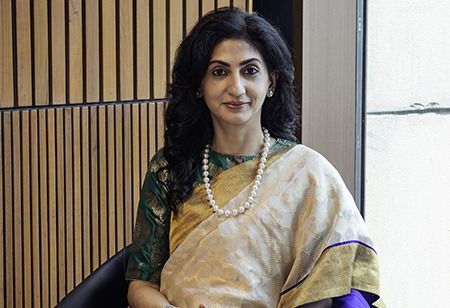
Parul Mittal is Director at Greenlam Industries and brings over two decades of experience across marketing, design and brand-building. Having been closely associated with Greenlam since its early years, she has played an instrumental role in shaping the brand’s identity and expanding its presence across global markets. A commerce graduate with a keen understanding of evolving design trends and consumer preferences, Parul brings an informed, strategic perspective to conversations around design, innovation and the future of surfaces.
We use cookies to ensure you get the best experience on our website. Read more...
Copyright © 2026 HomesIndiaMagazine. All Rights Reserved.
